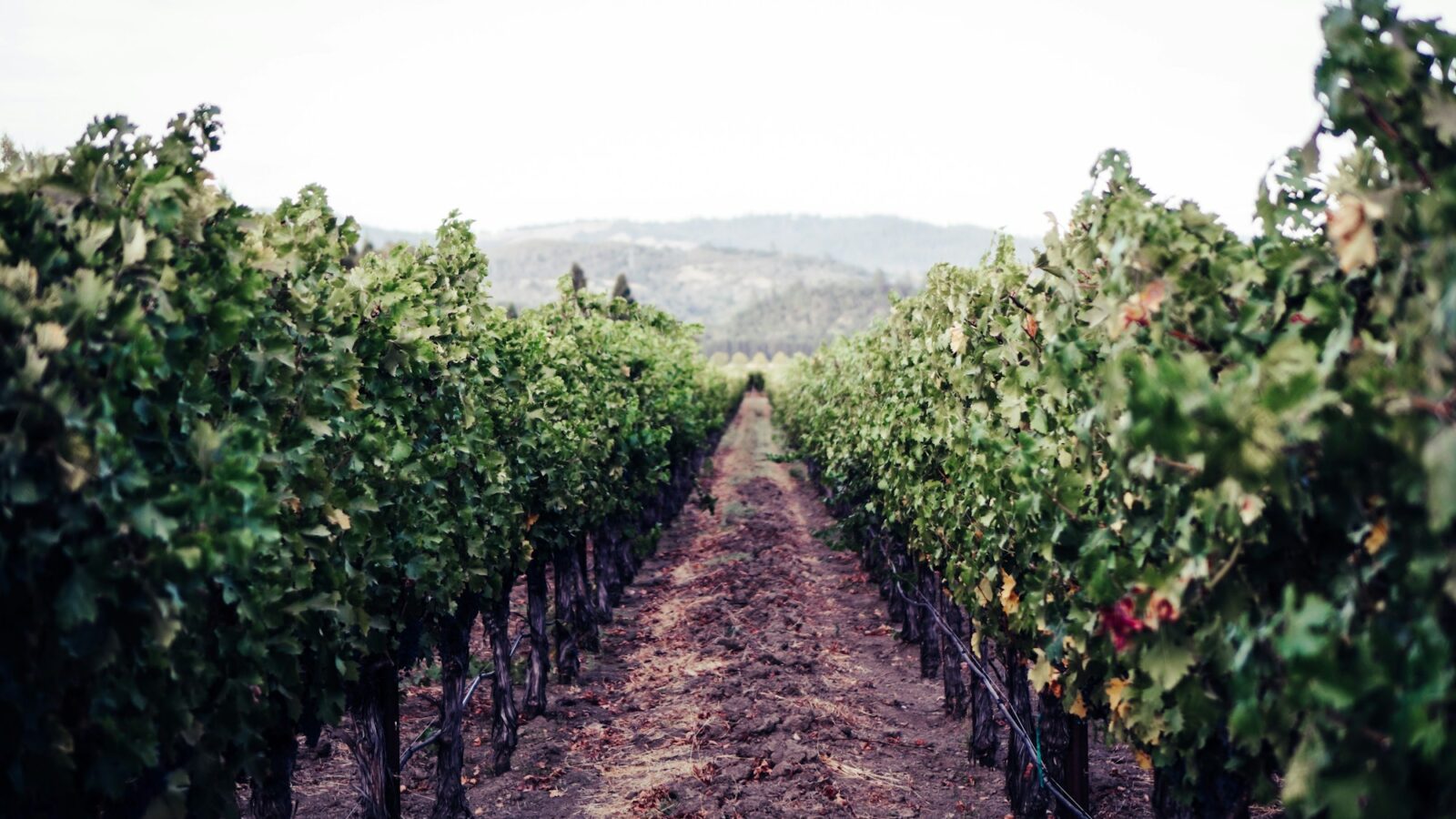
Vespera sits on a fog-cooled ridge above the Pacific, and that single fact does more to shape the wine than almost anything else about the site. The Sonoma Coast isn’t warm the way most people picture Napa or Sonoma Valley — it’s one of the coolest, foggiest growing regions in California, and the estate was planted here specifically because of that, not in spite of it.
What the fog actually does
Marine fog rolls in most nights and often doesn’t burn off until midday, which means the vines here get a genuinely shortened window of direct sun compared to an inland vineyard. Photosynthesis slows, sugar accumulation slows with it, and the growing season stretches out — fruit that would be ready to pick in August further inland is often still hanging into October on this ridge.
Slow ripening, kept acidity
That extended hang time is the whole point. Grapes lose acidity as they ripen no matter where they’re grown, but a slower ripening curve loses it more gradually, so the fruit can develop real flavor complexity without acid dropping out from under it. It’s the reason cool-climate Pinot Noir and Chardonnay can taste bright and structured rather than simply riper and heavier — the vine had more time, at a lower temperature, to get there.
The trade-off that comes with it
Farming a site this cool isn’t free. Some vintages the fog doesn’t lift enough, some years frost risk in a cool pocket like this one is real in a way it isn’t for a warmer inland vineyard, and yields here tend to run lower than they would on a warmer site growing the same varieties. The bet is that what’s lost in consistency and volume is made up for in what the finished wine actually tastes like.
Learn more about the estate, or come taste what a fog-cooled ridge actually produces — see the current releases.